
By KP Dermatology | Medically reviewed by Dr Prratyush More, MBBS, DDVL, dermatologist
Pigmentation returns after treatment when the cause is still active. Sun, visible light, heat, hormones and inflammation keep telling pigment cells to produce more, and pigment sitting deep in the skin clears slowly. Lasting pigmentation treatment in Thane depends on three things: identifying which type of pigmentation you have, treating it at the right depth, and controlling the trigger afterwards. Clearing the spots is only half the job.
Key insights
- “Pigmentation” covers several different conditions: melasma, post-inflammatory marks, sun spots and freckles each behave differently.
- Depth decides speed: surface pigment clears faster than pigment in the deeper skin.
- The trigger decides recurrence: if the cause continues, the pigment returns.
- Maintenance is part of treatment: sun protection and topicals keep results, not just achieve them.
Before you go
For two weeks before your consultation, note when your pigmentation looks darker: after a beach trip, during a stressful month, after a new cream, around your period or after cooking over a hot stove. Patterns like these point straight at the trigger, and the trigger decides the long-term plan.
Few skin concerns are as frustrating as pigmentation that clears and then comes back. Many people in Thane have spent months on creams, peels or laser sessions, watched their skin improve, and then seen the patches return within a season. The natural conclusion is that the treatment failed.
Usually, it did not. The treatment removed pigment that was already there, but whatever caused it kept working. This guide explains the main types of pigmentation, why depth matters, what makes pigment return, what treatment involves, and how to keep results.
What are the main types of pigmentation?
Pigmentation is a general term for patches or spots darker than the surrounding skin. Several different conditions produce it, and treating them as one is the first reason results disappoint.
Melasma
Melasma produces symmetrical brown or greyish patches, usually on the cheeks, forehead, upper lip and nose. It is driven by sun, visible light, heat, hormones and genetics, and it is chronic. It is managed rather than cured, and it tends to relapse. The melasma treatment guide covers it in depth.
Post-inflammatory hyperpigmentation
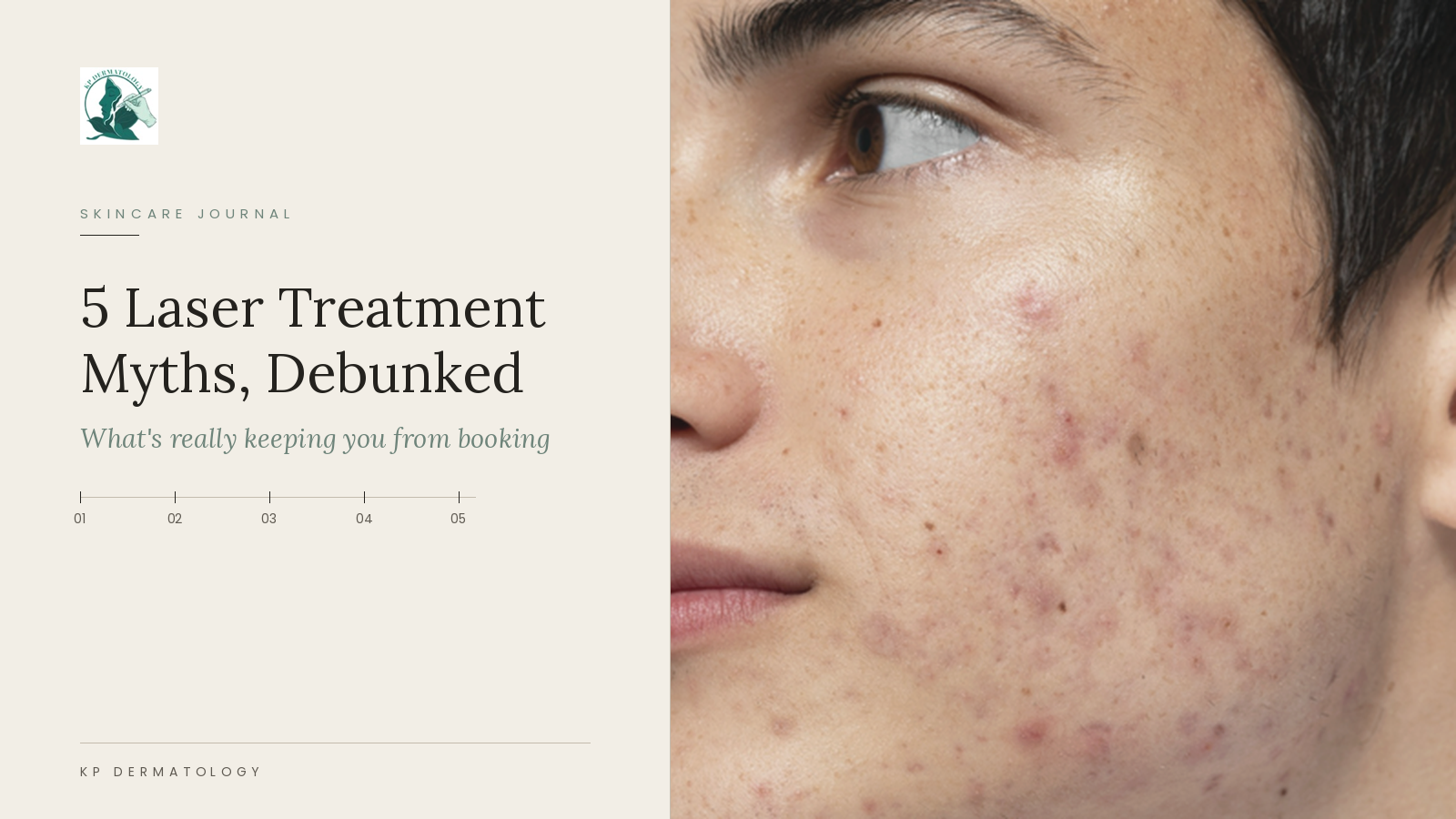
Post-inflammatory hyperpigmentation, or PIH, is darkening left after inflammation or injury: acne, eczema, insect bites, burns or aggressive treatments. It is especially common in Indian skin. A systematic review of PIH in skin of colour found that most cases followed inflammatory conditions and were on the face, and that treatments themselves could sometimes worsen it.
Sun spots and freckles
Sun spots, or solar lentigines, are flat brown spots caused by years of sun exposure, often on the face, hands and shoulders. Freckles are smaller spots that darken in summer and fade in winter. Both sit mostly near the surface and respond well to treatment.
Other causes
Some pigmentation has medical causes, such as acanthosis nigricans linked to insulin resistance, or pigment from medicines. These need their underlying cause addressed, which is why a dermatologist’s diagnosis matters before any cosmetic treatment.
| Type | What it looks like | Main trigger | How it behaves |
| Melasma | Symmetrical brown or grey patches | Sun, visible light, heat, hormones | Chronic, relapses easily |
| PIH | Dark marks where inflammation was | Acne, injury, irritation | Fades slowly, returns with new inflammation |
| Sun spots | Flat brown spots | Cumulative sun exposure | Responds well, new spots form with sun |
| Freckles | Small brown spots | Sun and genetics | Darken in summer |
Why does the depth of pigment matter?
Pigment can sit in the top layer of skin, the epidermis, or deeper in the dermis. Depth changes how the pigment looks, how fast it clears and which treatments reach it.
Surface pigment
Epidermal pigment is usually brown and well defined. It responds relatively quickly to topicals, peels and lasers, because the treatment reaches it easily and skin turnover helps clear it.
Deep pigment
Dermal pigment looks greyer or bluish and less defined. It clears slowly, because the body removes deep pigment gradually and topicals barely reach it. Lasers can help, but results take longer and need careful settings.
Mixed pigment
Many patches, especially in melasma, contain pigment at both depths. The surface portion improves first, which is encouraging, but the deeper portion lingers. Understanding this prevents people from stopping treatment too early.
Why does pigmentation come back?
Pigmentation returns when the trigger is still active. Treatment removes existing pigment, but pigment cells keep responding to whatever stimulated them.
Sun and visible light
Ultraviolet light is the best-known trigger, but visible light also stimulates pigment, particularly in darker skin. A randomised trial in melasma found that a sunscreen protecting against both UV and visible light improved treatment results more than a UV-only sunscreen. Tinted sunscreens containing iron oxides are the usual way to get that visible light protection.
Heat
Heat stimulates melanocytes, which is why melasma often worsens in summer, near stoves and after hot yoga or saunas. It is also why aggressive, heat-heavy laser treatment can make melasma worse.
Hormones
Pregnancy, oral contraceptives and hormonal changes can trigger or worsen melasma. These triggers cannot always be removed, which is part of why melasma is managed rather than cured.
Inflammation
Every new acne breakout, rash or irritation can leave fresh PIH. Treating the pigment without controlling the inflammation means new marks keep replacing old ones.
How is pigmentation treated?
Treatment depends on the type and depth of pigment. Most plans combine several approaches rather than relying on one.
Topical treatment
Prescription creams that reduce pigment production are the foundation for most pigmentation, especially melasma. They take weeks to months to work and are often continued as maintenance.
Chemical peels
Peels remove surface layers of pigmented skin and speed up turnover. They are useful for surface pigment and PIH, with the strength chosen carefully for Indian skin.
Laser treatment
Lasers break up pigment so the body can clear it. Laser pigmentation treatment works well for sun spots and many cases of PIH. For melasma, lasers are usually a third-line option after topicals and peels, used at low energy to avoid heat-triggered worsening.
Picosecond or Q-switched?
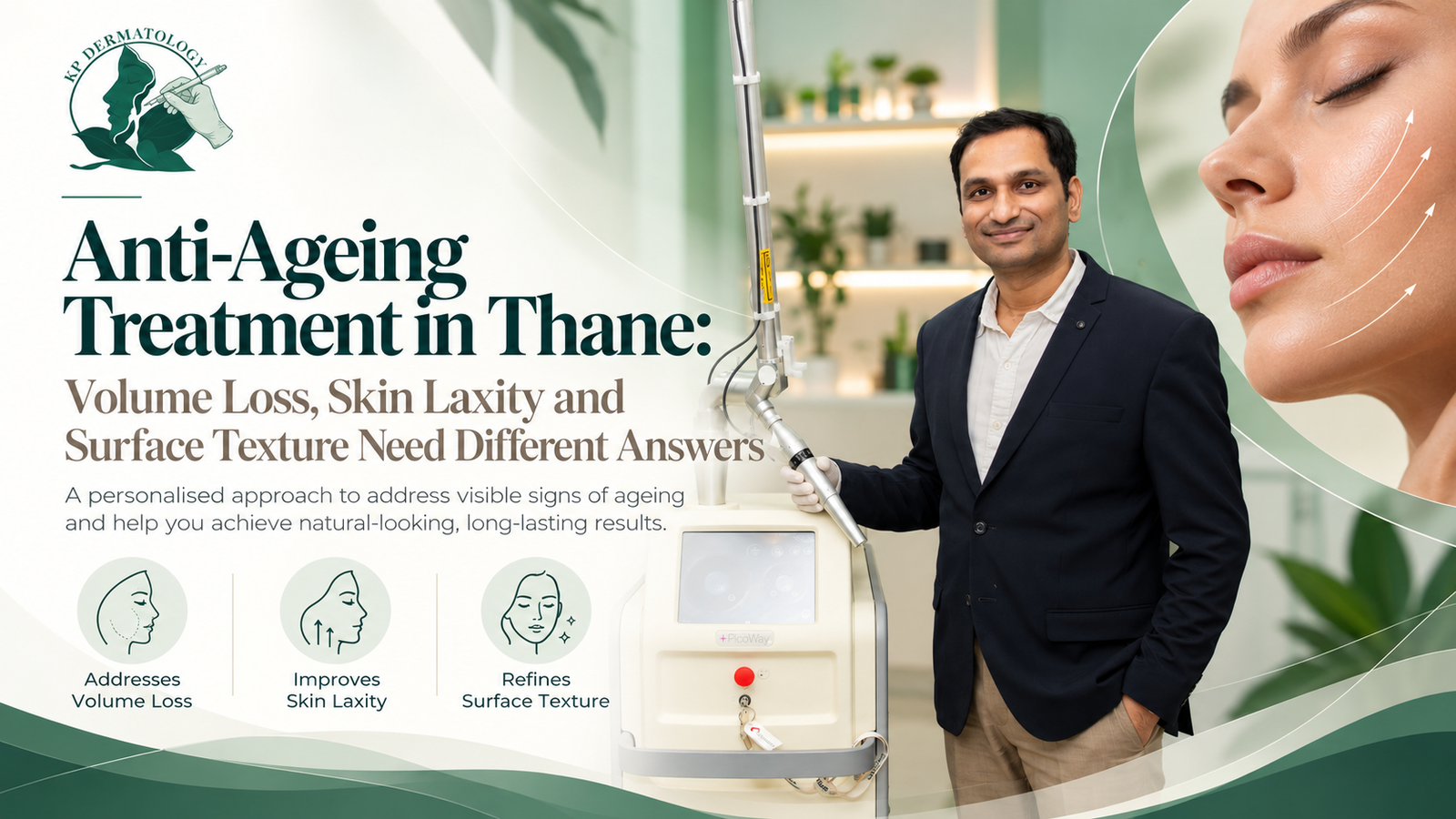
Picosecond lasers are not universally better at clearing pigment than Q-switched lasers, and head-to-head clearance is broadly comparable. Their practical advantage is a lower risk of post-inflammatory pigmentation, which matters for Indian skin. KP Dermatology uses the Candela PicoWay for advanced pigmentation laser treatment with this in mind.
| Treatment | Best suited to | Speed | Role in the plan |
| Prescription topicals | Melasma, PIH, sun spots | Weeks to months | Foundation and maintenance |
| Chemical peels | Surface pigment, PIH | Weeks | Speeds up clearance |
| Picosecond laser | Sun spots, PIH, some deeper pigment | Several sessions | Targets stubborn pigment |
| Low-energy laser for melasma | Melasma after topicals | Several sessions | Third-line, used carefully |
| Sun protection | All types | Ongoing | Prevents recurrence |
What mistakes make pigmentation worse?
Some of the most common habits people adopt to fight pigmentation actually make it worse or bring it back faster.
Over-the-counter bleaching creams
Unsupervised use of strong steroid-containing or mixed “fairness” creams can thin the skin, cause rebound darkening and create new problems. Prescription creams should be used under a dermatologist’s supervision and for set periods.
Scrubbing and harsh products
Scrubs, harsh exfoliants and home remedies such as lemon juice irritate the skin. On Indian skin, irritation often leads straight to more post-inflammatory pigmentation.
Aggressive treatment
High-heat laser or deep peels chosen to “get rid of it faster” can trigger rebound pigmentation, particularly in melasma. Gentler, repeated treatment usually gives better and longer-lasting results.
Stopping too soon
Many people stop sunscreen and topicals as soon as the patches fade. That is exactly when relapse begins. Maintenance protects the result.
| Common mistake | What it does to pigment | Better approach |
| Unsupervised bleaching or steroid creams | Rebound darkening, thin skin | Prescription topicals under supervision |
| Scrubs and home remedies | Irritation and new PIH | Gentle cleansing and barrier care |
| High-heat treatment for melasma | Rebound pigmentation | Low-energy, repeated sessions |
| Stopping sunscreen after clearance | Early relapse | Daily tinted broad-spectrum sunscreen |
What determines whether pigmentation stays away?
Whether results last depends less on the treatment and more on what happens afterwards.
Controlling the trigger
Daily broad-spectrum sunscreen, ideally tinted for visible light protection, reapplied through the day, is the single most important step. Reducing heat exposure, controlling acne and avoiding irritating products all help.
Maintenance treatment
Many people continue a gentle topical after the main treatment ends. For melasma especially, maintenance is expected rather than optional.
Realistic expectations
Sun spots and freckles can often be cleared well, though new ones may form with sun exposure. PIH usually fades fully once inflammation stops. Melasma can be controlled for long periods but may relapse, especially in summer or with hormonal changes.
Follow-up
Regular reviews let a dermatologist catch early relapse and adjust treatment before patches return fully. Treating a small relapse early is far easier than restarting from the beginning.
Wrapping up
Pigmentation returns when its cause is still active, not because treatment failed. Melasma, post-inflammatory marks, sun spots and freckles each behave differently, and pigment at different depths clears at different speeds. The plans that last identify the type, treat at the right depth with topicals, peels and carefully chosen lasers, and then control sun, visible light, heat and inflammation for the long term.
KP Dermatology in Vasant Vihar, Thane West, diagnoses the type and depth of pigmentation before recommending treatment, and plans maintenance from the start. Book a consultation with Dr Prratyush More to find out what kind of pigmentation you have and what will keep it from returning.
FAQs
Why does my pigmentation keep coming back?
Usually because the trigger is still active. Sun, visible light, heat, hormones and inflammation keep stimulating pigment cells. Treatment removes existing pigment, but without controlling the trigger and maintaining results, new pigment forms.
Is laser the best treatment for pigmentation?
It depends on the type. Lasers work well for sun spots and many post-inflammatory marks. For melasma, topical treatment and sun protection come first, and lasers are used carefully, at low energy, as a later option.
How long does pigmentation treatment take?
Surface pigment may improve within weeks, while deeper pigment can take several months. Most plans run for three to six months, followed by maintenance, especially for melasma and post-inflammatory hyperpigmentation.
Does sunscreen really prevent pigmentation?
Yes, it is the most important preventive step. Broad-spectrum sunscreen, ideally tinted to block visible light as well, protects against the main triggers of pigmentation and significantly reduces the risk of relapse after treatment.
Can melasma be cured permanently?
No, melasma is usually managed rather than cured. It can be controlled for long periods with topicals, sun protection and careful treatment, but it may relapse with sun exposure, heat or hormonal changes.
Is pigmentation treatment safe for Indian skin?
Yes, when planned by a dermatologist. Indian skin is prone to post-inflammatory hyperpigmentation, so peel strengths and laser settings are adjusted, and gentler technologies with lower pigmentation risk are preferred.